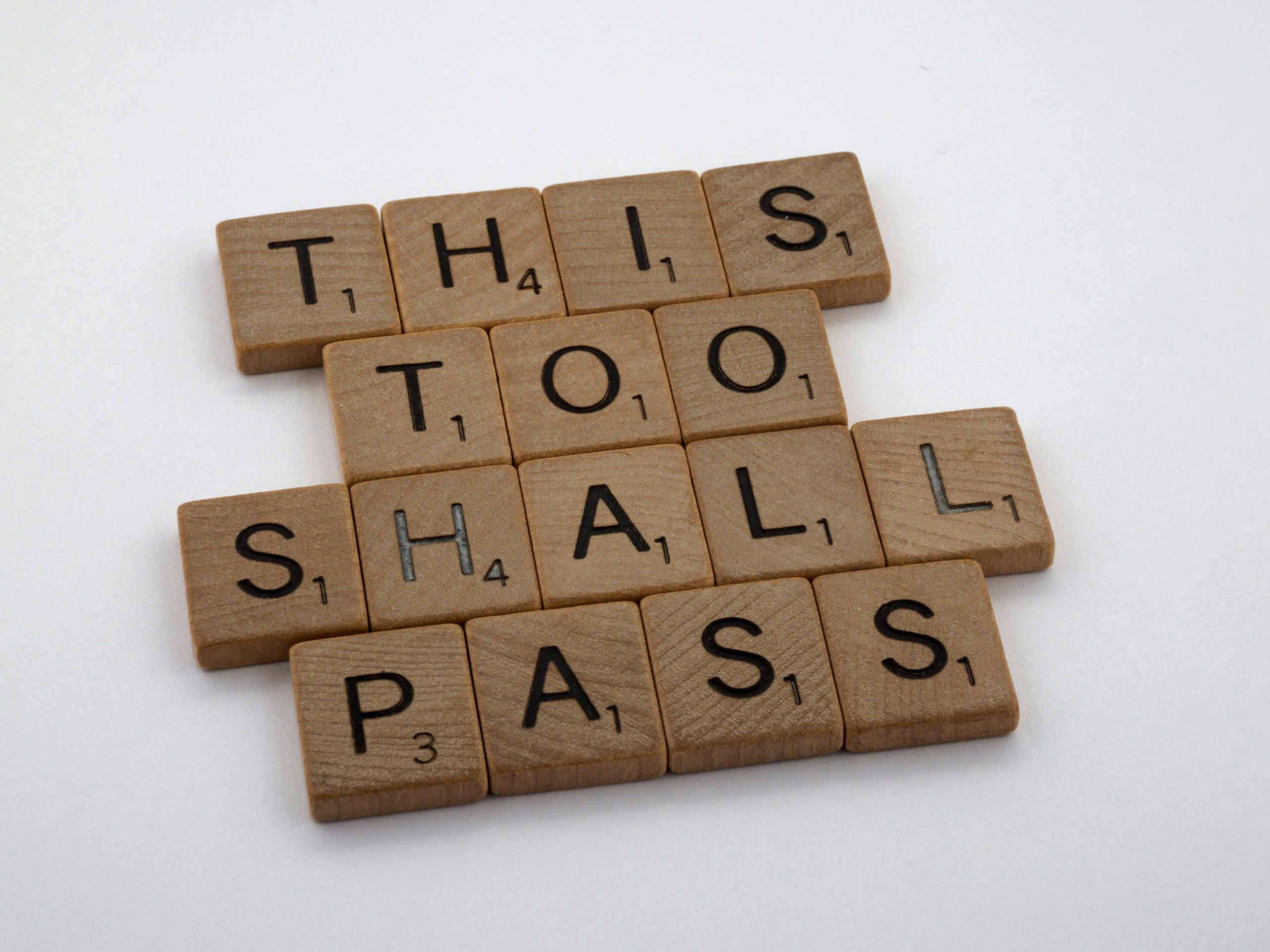

Rejected at last stage for being “too chill”
Understanding the Impact of Personal Demeanor in Job Interviews: A Reflection on “Too Chill” Feedback
Navigating the job application process can be both exciting and challenging. Recently, I experienced an interesting situation that prompted me to reflect on how personal demeanor influences hiring decisions, even when qualifications are strong.
Overview of the Application Process
I participated in a rigorous interview process for a reputable finance company, progressing through three rounds of interviews. Throughout this process, I received positive feedback: my experience was deemed perfect for the role, and I even had the potential to influence certain reporting practices within the organization. Additionally, I performed well on technical assessments, such as excel tests, and my interviewers commented on the quality of my questions.
Unexpected Feedback
Despite these favorable impressions, I was ultimately not selected for the final stage. Upon discussing this decision with a company representative, I learned that the reason for my rejection centered around my demeanor during the interviews. They described me as “too chill,” suggesting that my calm, composed attitude might be misinterpreted as a lack of enthusiasm or urgency.
This feedback was surprising, as it focused on personality traits rather than technical skills or experience—areas where I typically receive constructive feedback. I’ve always been conscious of my nervousness during interviews and work intentionally to slow my speech and think carefully before responding to manage anxiety and present myself professionally.
Reflections and Questions
This experience raises an important consideration: how much does personal demeanor, such as appearing “too chill,” influence hiring decisions? While technical skills and experience are crucial, the ability to demonstrate enthusiasm, motivation, and resilience under pressure can equally impact a candidate’s suitability, especially for roles demanding high-stakes performance.
I am eager to improve and adapt based on this feedback. However, I wonder if genuine personality traits, like being naturally calm or composed, can or should be altered for the sake of a job. Is it more beneficial to showcase authenticity, or are certain qualities essential in specific roles?
Conclusion
This encounter has highlighted the nuanced role of personality in the hiring process. While technical competence remains vital, understanding how one’s personal presentation affects perceptions is equally important. I appreciate the opportunity to learn from this experience and look forward to integrating this insight into my interview approach.
I would value your thoughts on this subject: How do you balance authenticity with the impressions you present during interviews? Have you encountered similar feedback, and how did you respond? Your perspectives would be greatly appreciated.